logo


Archive

Posts Tagged ‘Equity Release’

Spanish tax office will not accept equity release to mitigate taxes

March 22nd, 2013

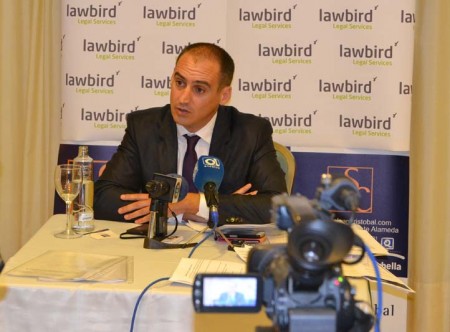
Lawbird-Spanish-tax-office-will-not-accept-Equity-Release


A Marbella law firm has denounced around ten banks for fraud

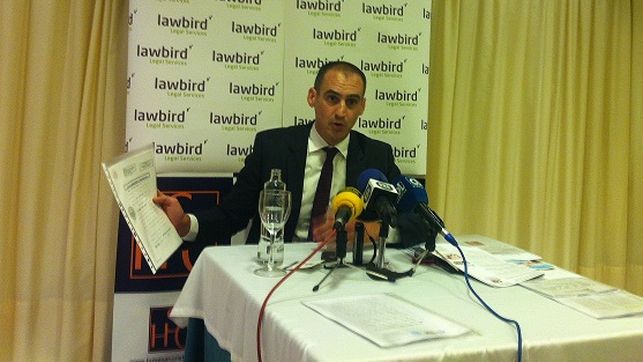
Spanish “Hacienda” has recently confirmed that the so-called Equity release on Spanish property is not valid for tax mitigation purposes. According to an official answer to an enquiry submitted by Lawbird Legal Services representing 100 of approximately 1,000 victims, mostly British, attempting to mitigate wealth and inheritance taxes registering a charge against the property is tax fraud.  

This matter was denounced a year ago at the Audiencia Nacional as fraud, fraudulent publicity and tax evasion but the Magistrate Fernando Andreu dismissed the case on grounds that he deemed the allegations to not be of a serious nature and the facts were not proven conclusively. Civil proceedings have been filed and rulings are soon expected.  

According to Antonio Flores of Lawbird, “the Tax Office’s response represents a boost to the aspirations of the victims in relation to demonstrating that, indeed, they were victims of a scam and not accomplices to an alleged fraud, as has been insinuated”.  

Following the dismissal of the case by the National Audience back in April 2012 and further to a “denuncia” filed at the Malaga offices of the Spanish Tax Office, Lawbird indicated that it was this body who should investigate if such a “tax amnesty”, now deemed fraud, did actually exist.  

Tax fraud

Hacienda has now come back stating that the approximately 600 mortgage loans sold to foreign pensioners with a Spanish property, under the pretext that they would allow them to – legally- mitigate wealth tax during the life of the subscriber, and inheritance taxes following their demise, cannot benefit from any reduction in such taxes. In fact, the Tax Office states that attempting to reduce the value of the home would constitute tax fraud and a criminal offence where the defrauded sum exceeds €120,000 per tax year.  

Lawbird deems that “the borrowers are victims because top banks confirmed the legality of the product, assisted by top-notch Madrid lawyers who now, following the repercussions of the case, are distancing themselves from their former clients.”  

Banks

The banks allegedly involved are Nordea Bank Luxemburg, Danske Bank Luxemburg, Landsbanki, Jyske Bank,Rothschild, Sydbank and Nykredit who sold either directly, or through unregulated Costa financial offices, the financial packages. Most of the pseudo-IFAs have now disappeared.  

According to the victims, the strategy was to scare them with unbearable tax consequences should they not do anything with their unencumbered properties. Several banks, most of them from Scandinavian countries with private banking offices in Luxembourg, made their clients believe that that in Spain, if someone is to die without having a mortgage on their properties, the Tax Office would tax the inheritors so heavily that they would not be able to ever pay those taxes.  

They offered mortgage loans to reduce the value of their properties and advised that the loan capital should be sent to opaque tax havens, in some cases, with a view to have it invested on behalf of the pensioner. However, as a result of poor investment decisions by these banks the invested capital lost substantially and now, the victims are fighting to save their homes.  

This alleged financial plot started in 2004 and finished in 2008. Flores calculated that in Spain, over 500 couples could be affected, most of them pensioners. The total sum of funds taken out to Luxembourg could reach 250 million euros, according to the lawyer. The banks told their clients that this sum would be “tax free” if it was inherited in a tax haven, or without the Spanish Hacienda’s knowledge. The alleged fraud to the Tax Office could reach, on average, 20 per cent of the total sums, approximately 50 million euros in total.  

Lawbird is particularly worried that pensioners with very limited income, some of whom were over 85 years of age, decided to rush into speculative investments with their properties.

Spanish tax office will not accept equity release to mitigate taxes


In the Media , ,

I needed some money to visit my grandchildren and now I’ve lost my house

April 13th, 2012

Jean Hilary Leftwich has not yet got used to the idea that other people are enjoying the house that she lived in for almost 25 years in Alhaurín de la Torre. This 67 year old British resident is one of more than 400 people affected in the province of Malaga by an alleged fraud committed by foreign banks. As a result she has been forced to rent out her home and sell an apartment in Marbella at a loss to pay off a debt that threatened to leave her homeless.

On Monday she joined another thirty or so foreigners resident on the Costa del Sol, most of themBritish, in a peaceful protest outside the Malaga tax office organised by the Equity Release Victims Association (ERVA).

The aim of the gathering was to deliver a writ to the Spanish tax authorities to formally denounce that at least ten banks, mainlyDanish, had turned them into accomplices in a tax fraud involving equity release and the investment of large sums of money in tax havens such as Luxembourg and the Channel Islands.

According to the victims, and to lawyer Antonio Flores who represents some members of the group, between 2004 and 2009 the banks they now accuse of fraud convinced them, through advertisements in the press, leaflets and phone calls, to take out a kind of reverse mortgage on their homes so that their heirs would not face paying inheritance tax that could amount to as much as 80 per cent of the value of property if this is free of all liens. They were also promised attractive returns through the investment of much of the loan in funds that were allegedly risk free. The offer was attractive to pensioners whose assets were all tied up in their property and who required cash to top up their income.

“I wanted some money to travel to England to visit my grandchildren”, explains Jean Hilary Leftwich, who ended up having to sell her apartment in Marbella to pay off her 385,000 euro debt with the bank. Sixty five year old Toni Minta fears losing his home in Estepona, for which he paid 600,000 euros ten years ago. He took out a loan for 1,250,000 euros which went to a tax haven. Now the ups and downs of the economy have reduced this sum to 500,000 euros yet his original debt with the bank remains intact.

ERVA Chairman Euan Armstrong describes the protest as a success.

“Now that we have informed the Spanish tax authority of the possible loss of revenue by the removal from Spain of all the money taken from our members which has been deposited in Luxembourg (a tax free state) in order to evade Inheritance Tax, then we would expect them to ask the guilty banks to declare how many clients have died since buying these investment plans therefore evading Inheritance Tax.

“We are confident of some sort of result after this. The Spanish Tax Authority cannot ignore this and neither can the banks involved in the scam”, he points out.

Earlier this year the ‘Audiencia Nacional’ court rejected the case.

Downloads

In the Media ,

INVESTIGATION: Thousands of expats face ruin after being duped by bogus financial advisers

April 11th, 2012

A Money Mail probe has uncovered how thousands of expats have lost their homes and life savings at the hands of rogue financial advisers.

Most victims are pensioners who were conned into gambling on high-risk investments.

Ruth Lythe reports on how those hoping to  find a life in the sun had their world torn apart.


Julia Hilling fears losing her Spanish homeThreat: Former actress Julia Hilling fears losing her home in the Spanish sun

Thousands of British expats are on the brink of losing everything after being duped by unscrupulous financial advisers.

The cowboys have persuaded thousands of  our vulnerable pensioners — many in their 80s and 90s — to give up huge stakes of their property in exchange for investments that will never make a penny. 

The schemes are often sold by rogue financial advisers who exploit weak consumer laws on  the Continent by falsely claiming to be bona  fide accountants.

Most of the victims are Britons who retired to Spain or France and wanted to use the cash in their homes to help with soaring living costs.

John Parsons, founder of the Costa del Sol Action Group that is helping some of the victims in Spain, says: ‘The effect of all this worry is enormous. The stress has brought on a lot of serious health issues and they are extremely worried about their futures.

‘These people were not greedy or stupid. They were on fixed pensions and being financially squeezed, so jumped at the possibility of solving that situation.’

The latest crisis follows a Money Mail  investigation in 2008, which exposed how hundreds of British pensioners living on the Costa del Sol had gambled their homes in a risky equity-release scheme run by failed Icelandic bank Landsbanki.

Now we can reveal how thousands more pensioners have fallen for other risky equity-release schemes on the Continent and are being hounded by banks demanding hundreds of thousands of pounds.


PREYED ON BY  ROGUE SALESMEN

During the property boom at the start of this century, around 100,000 pensioners left Britain to live out their days in southern France and Spain — attracted by a warmer climate and cheaper way of life.

Many had a small pension, but hundreds of thousands of pounds from the sale of their UK home, which had soared in value over their lifetime.

This money was used to supplement their incomes and buy a new home abroad. But soon after they moved, the cost of living in some areas soared as hundreds of thousands of Britons and Germans bought second homes.

Many pensioners found they needed extra cash, and became easy prey for unregulated financial advisers who had left Britain to tap into the new wealth in these regions.

Local rules meant they were able to act unchecked, selling investments from banks based anywhere in the world.

Sometimes they claimed to be chartered accountants, but were not — many had never even registered with local authorities.

In Spain in particular, these advisers could largely sell whatever they wanted — including types of investments and equity-release schemes outlawed in the UK. These paid handsome commissions that could net advisers a £50,000 payday.

Banks offering equity-release loans included Icelandic bank Landsbanki, Scandinavian banks Nordea and Sydbank, and UK private bank Rothschild. However, Money Mail understands they are not the only banks involved.

The majority of victims were told they could borrow the entire value of their property. The loan would incur interest, typically of up to 6.5 per cent. It meant that after ten years, a €500,000 (£412,667) loan would balloon to €681,240 (£562,251). To offset this, a large chunk — usually around 75 per cent of the loan — would be invested in a fund sold by the adviser.

Pensioners were told returns would be so good that not only would they cover the interest on the equity release, but give the borrowers a little extra to spend.

INVESTMENTS THAT TURNED TOXIC

But the promises made turned out to be very different to the theory. This meant returns did not cover the cost of the interest repayments on the equity release.

As the fund fell in value, it ate into the capital that borrowers needed to repay the debt. Charges for fund managers and commission also reduced the returns further.

Worse was to follow when house prices in Spain fell. They had risen by 44 per cent between 2004 and 2008, when many of the victims had bought their homes. They have since plummeted by around 20 per cent.

Those who had borrowed almost all of their property value were soon in negative equity — where the value of the property value was less than the money owed on it — leaving them unable to sell to clear their debt.

In theory the borrowers were expected to pay off their loan at the end of four years. But because the value of the investments plunged so low, it triggered small print in the equity-release contract that allowed banks to demand repayment early.

In the case of those expats with Landsbanki, the bank collapsed and the investment fund was snatched by company liquidators. Then a further problem struck — the value of the pound plunged against the euro.

Many of the victims were paid pensions in pounds and relied on converting the money into euros every month. The drop meant the value of their pensions fell by a third.

RETIREMENT DREAMS LEFT SHATTERED

Campaigners estimate thousands of British pensioners have lost money through these schemes. Former actress Julia Hilling, 88, fears her home will be swallowed up in repayments to her mortgage from Rothschild Bank.

She was sold the mortgage in 2005 by a Malaga-based British financial adviser. Today, this company is classed as unauthorised by the Spanish authorities. Her property was valued at €300,000 (£249,966) and she took out a loan for €262,000 (£217,827). Around €17,000 (£14,138) was used for living expenses and she put €245,000 (£203,693) in an investment fund. 

Tempted: Julia Hilling, pictured was an actress in the 1940s, says she went for a scheme because she needed to pay billsTempted: Julia Hilling, pictured was an actress in the 1940s, says she went for a scheme because she needed to pay bills

Mrs Hilling, who starred in musicals in the Forties and in revues with Sir Bruce Forsyth at the Windmill Theatre, London, had never invested or even had a mortgage before.

Since 2005, the fund has plunged by around a third and will no longer cover her mortgage. She owes €330,000 (£274,362) and the debt continues to grow. Mrs Hilling says she is unable to cover these costs and fears the bank will take her property when she dies.

‘I needed the money desperately to pay everyday bills while I was out here, as I didn’t want to rely on my family,’ she says.

Rothschild told Money Mail it would not repossess Mrs Hilling’s home. It stressed it had not sold the investment to her and was not demanding repayment nor had it paid commission. It urged her to contact the bank.

Another victim is Eric Mould, 64, who after a career in sales moved to a seaside villa in Puerto Banus, near Malaga, in 2007. He and his wife Mary, 60, sold their four-bedroom detached house in the UK to buy a three-bedroom villa with a swimming pool for €1,188,000 (£990,000).

But five years later they are living in a friend’s flat in the town and battling to pay €2,100 (£1,745) a month in mortgage repayments to Danish bank Nykredit.

Shortly after arriving in Spain, the couple borrowed €1 million against their villa with the bank. They say the British financial adviser who sold them the equity-release mortgage told them it would be a ‘win-win’ situation.

They were told they could free up hundreds of thousands of pounds from the mortgage, and the fund would pay off the loan. They believed the investment they were sold separately through Danish bank Sydbank would leave a little extra to boost their pensions.

To cover the mortgage, the Moulds have rented out their dream home. Their friend is letting them live rent-free in the apartment. The couple fear it is only a matter of time before their home is repossessed. And because property values have dropped, they could lose up to €300,000 (£249,966)

‘This has totally devastated us. It is heart-breaking — we face losing the home we worked for a lifetime to buy,’  says Mr Mould.

Sydbank would not comment on  the case.

Others who took out equity-release schemes with collapsed Icelandic bank Landsbanki have been told it will settle — as long as they pay part of the money owed, in some cases hundreds of thousands of pounds.

One couple, Linda and Frances Barlow, aged 63 and 75, who live in Nice in the south of France, believe the bank’s liquidators will repossess their home by May unless they stump up €1.3 million (£1.08 million).

The liquidators proposed a compromise deal, but it would have required the couple to find €500,000, which they do not have.

The Barlows took only a small proportion of the loan as cash. The rest was invested by the bank, and lost when it collapsed in 2008.

‘We wanted some cash to renovate,’ says Mrs Barlow, a musician from London. ‘We didn’t want to take out a big loan, but the financial adviser told us we were foolish to be sitting on an asset and that we should get an equity release to have an income. Now we are going to lose everything.’

Pensioners fight to keep their homes

Scores of pensioners have launched legal action against the banks and financial advisers who sold them the loans. Solicitor Antonio Flores, of Spanish law firm Law Bird, who is representing some of them, says: ‘Many people are left with huge bills and in fear of losing their homes.’

In February, the European Commission announced plans for an independent ombudsman to deal with mis-selling cases against financial advisers working in the Costa del Sol.

Meanwhile, the Foreign and Commonwealth Office has issued official warnings about mortgage schemes advertised as a way of cutting tax bills.

Any expats thinking of signing up to an equity-release scheme in Spain should check the company is registered with the agency in charge of the Spanish stock market, the Comision Nacional del Mercado de Valores (CNMV).

It will also provide a list of companies that are not authorised to operate in Spain and those that have warnings issued against them.

Remember to seek independent legal advice before signing a contract.

If you believe you have been a victim of a fraud involving an equity-release scheme, then register a statement with the police.

Seek independent legal advice about taking action through the courts.

If you wish to complain about the performance of your investments, you should first complain to the equity-release company.

After two months, if you are not happy with the response, take your complaint to the Spanish Investors’ Complaints Office: Oficina de Atención al Inversor, Miguel Ángel 11, 28010 Madrid.

There is also an office at Paseo de Gràcia, 19, 4ª Planta, 08007 Barcelona.

In the Media , ,

Expat victims of equity release scams protest in Malaga

April 11th, 2012

OVER 30 foreign victims of equity release scams gathered outside of Hacienda in Malaga yesterday to protest over an alleged fraud that could see many of them losing their homes.

The mainly British group, led by Euan Armstrong and Ian Sherdley who formed the Equity Release Victims Association, filed denuncias with the Agencia Tributaria against a number of mostly Scandinavian foreign banks.

They now hope Hacienda will intervene after they highlighted Spain is losing a large amount in taxes due to fraudulent schemes where all the money is invested and lost in Luxembourg.

“We already presented all this evidence to the Supreme Court of Spain in Madrid and they chose to ignore it so this way we are bringing their attention to the loss of tax to the Spanish coffers,” said Armstrong, 74.

“It went very well. A good number turned out and each person filed a denuncia with Hacienda.

“We are exposing the situation to the tax office that these banks are taking money from Spain and lodging it in Luxembourg. Spain stands to lose a lot of money.

“I would like to think that Hacienda will now act.”

The group, represented by Antonio Flores from the Marbella based firm Lawbird, demonstrated for over an hour carrying placards which attacked some of the banks they claim have tricked them.

According to the group foreign banks convinced predominately retired foreigners to take out ‘predatory mortgages’ on their homes at a value way above the level of the official appraisal.

Victims were lured in by the false hope they could reduce inheritance tax for their loved ones – who would eventually be liable to pay Spain’s top rate of 34 per cent – and enjoy a salary for life by investing in financial havens such as Luxembourg, supposedly without risk.

But the scam – which could have as many as 600 victims and is estimated at a staggering 250 million euros – has left many of them penniless.

In the Media , ,

Quería dinero para visitar a mis nietos y he perdido mi casa

April 10th, 2012
Jean Hilary Leftwich todavía no se hace a la idea de que otras personas estén disfrutando de la casa en la que ha vivido durante casi 25 años en Alhaurín de la Torre. Esta inglesa de 67 años es una de las más de 400 personas afectadas en Málaga por una presunta estafa cometida por bancos extranjeros que le ha obligado a alquilar su vivienda y a malvender un apartamento en Marbella para hacer frente a una deuda que amenazaba con dejarla en la calle. Ayer, junto a otra treintena de jubilados residentes extranjeros en la Costa del Sol, en su mayoría británicos, se concentró a las puertas de la delegación de la Agencia Tributaria en la capital malagueña para mostrar su repulsa por lo que consideran un auténtico fraude.
Así se lo hicieron saber también a responsables de Hacienda mediante la entrega de un escrito en el que denuncian que una decena de entidades financieras, principalmente danesas, les han convertido en cómplices de un fraude fiscal mediante la contratación de una especie de hipotecas inversas y la inversión de grandes cantidades de dinero en paraísos fiscales como Luxemburgo o Islas del Canal.
Según el testimonio de los afectados y del abogado Antonio Flores, encargado de la defensa de algunos de ellos, entre los años 2004 y 2009 los bancos presuntamente implicados les convencieron, a través de anuncios en prensa, folletos y llamadas, de que hipotecaran sus viviendas para que sus herederos no tuvieran que hacer frente a un impuesto de sucesiones que podría alcanzar hasta el 80% del valor del inmueble en caso de que éste estuviera libre de cargas. Además, les prometieron una atractiva rentabilidad mediante la inversión de buena parte de este préstamo en fondos que supuestamente estaban exentos de riesgo. «Quería dinero para poder viajar a Inglaterra a visitar a mis nietos», cuenta Jean Hilary Leftwich, que finalmente tuvo que vender su apartamento de Marbella para saldar una deuda de 385.000 euros con la entidad.
Su compatriota Toni Minta, de 65 años, ahora teme perder su vivienda en Estepona, que le costó 600.000 euros hace una década. Por ella recibió de un banco noruego 1.250.000 euros que viajaron a un paraíso fiscal y cuya cantidad se ha reducido hasta los 500.000 euros por los vaivenes de la economía, mientras su deuda con la entidad permanece casi intacta. Por el momento, la Audiencia Nacional ha rechazado investigar el caso.

In the Media ,

Jubilados británicos denuncian un fraude con hipotecas sobre sus casas

April 10th, 2012

Los afectados se concentraron ayer ante la Delegación de Hacienda a la que informaron de los hechos · Suscribieron préstamos ficticios para pagar menos impuestos.

Una veintena de británicos supuestamente estafados por bancos extranjeros se concentraron ayer ante la Delegación de Hacienda. Los ancianos denunciaron que las entidades les convencieron para que suscribieran hipotecas inversas, un producto financiero por el cual les garantizaban que sus hijos pagarían menos Impuesto de Sucesiones y de Patrimonio a su fallecimiento. Pero ahora se topan con que sus casas -que ya tenían pagadas- están hipotecadas y que el dinero equivalente a la hipoteca suscrita que los bancos colocaron en inversiones en paraísos fiscales se ha volatizado.

La supuesta trama de estafa comenzó en torno a 2004. Una decena de bancos con sede en Luxemburgo, Suiza, islas del Canal de la Mancha u otros paraísos fiscales hicieron una captación de clientes en la Costa del Sol a través de anuncios en prensa y con reuniones en hoteles. Buscaban extranjeros con viviendas sin hipoteca y sin mucha liquidez a los que les ofrecían la hipoteca inversa. Les convencían de que a su fallecimiento, a los hijos solo les quedaría una parte mínima de la herencia tras pagar los impuestos de Sucesiones y Patrimonio. La solución pasaba por suscribir una hipoteca inversa, una simulación fraudulenta para reducir el valor de la vivienda y que los descendientes pagaran menos tributos.

Tras suscribir la hipoteca, los jubilados extranjeros, en su mayoría británicos, recibían de un 5 a un 10% de la cantidad supuestamente prestada. El resto se invertía en el extranjero. Según la oferta de los bancos, con los intereses podrían amortizar el préstamo e incluso disponer de algún dinero para sobrevivir.

Los jubilados se concentraron ayer por la mañana ante la sede de Hacienda en la Avenida de Andalucía para denunciar su situación y que ese organismo investigue el supuesto fraude fiscal.

Euan Amstrong, uno de los afectados, incluso ha interpuesto una denuncia penal en un Juzgado de Fuengirola por estafa y apropiación indebida contra la entidad crediticia con la que contrató el producto financiero. Amstrong, británico de 74 años, tenía una casa en Alhaurín el Grande que compró en 2002 por 1,5 millones de euros y que tenía pagada. El Danske Bank le concedió una hipoteca inversa de un millón para evitar impuestos. La mayor parte fue invertida por la entidad financiera en Luxemburgo. Ahora tiene una demanda de desahucio y corre el riesgo de perder su casa.

El abogado de los afectados, Antonio Flores, estimó que en Málaga puede haber unos 400 extranjeros afectados por la hipoteca inversa. Los bancos que colocaron estos productos entre los extranjeros residentes en la Costa del Sol son Danske Bank, Nordea Bank, Lex Life & Pension, Landsbanki, Jyske Bank, Finansbanken, Sydbank, N M Rothschild & Sons y Swiss Life. Hay afectados por toda España

Flores indicó que el Gobierno danés ya ha reconocido que se trata de “un engaño al fisco español”.

In the Media ,

Jubilados extranjeros denuncian ante el fisco una trama para estafarles sus ahorros

April 9th, 2012

Julia Hilling tiene ahora 89 años, sin embargo eso no impidió que un banco británico le colocase un préstamo hace apenas seis años sobre su apartamento de Fuengirola, por importe de 262.000 euros, con devolución prevista para 2016. La operación formaba parte de un acuerdo aparentemente ventajoso. Le prometían una renta vitalicia y que sus herederos iban a quedar exentos del impuesto de sucesiones cuando falleciera. Pero nadie regala duros a cuatro pesetas. A cambio, la anciana tenía que suscribir una hipoteca sobre su vivienda libre de cargas, y autorizar al banco a que invirtiera los fondos obtenidos en productos financieros supuestamente libres de riesgo.

Como ella, otros tantos jubilados asentados en la Costa del Sol han sido víctimas de una presunta estafa orquestada por una docena de entidades extranjeras. Los ancianos, constituidos en la Asociación de Afectados de la Hipoteca Inversa, se harán hoy visibles con una concentración de protesta a las puertas de la Delegación de Hacienda de Málaga. Está previsto que alrededor de una treintena de jubilados británicos tomen parte en esta movilización, tras la que presentarán una denuncia formal en la institución contra las entidades bancarias.

Escándalo

«Con esta medida se pretende llamar la atención de las autoridades sobre un asunto que en muchos países europeos ya se considera un escándalo de grandes proporciones, lo que contrasta con la absoluta apatía judicial y desidia de los tribunales españoles, que hace unos meses rechazaron investigar el asunto», denuncian desde el despacho de abogados Lawbird, con sede en Marbella, que representa los intereses de una mayoría de afectados. El bufete pone de ejemplo lo sucedido en Dinamarca, donde, según concretan, se ha creado una gran alarma social tras la cobertura informativa realizada por el rotativo Jyllands Posten -conocido entre otras cosas por haber publicado las caricaturas del profeta Mahoma-. «El diario publicó que un elevado número de bancos daneses habrían participado en una trama de fraude fiscal en España, relacionado con el impuesto de sucesiones, y a la vez denunció la dramática situación económica a la que habían llevado a cientos de jubilados», subrayan desde Lawbird. De hecho, añaden que la situación a la que se han visto abocados estos ancianos es dramática, hasta el punto de que muchos están a punto de ser desahuciados de sus casas, después de que los bancos hayan perdido más de la mitad del capital en inversiones y hayan empezado a exigir el pago de las cuotas.

In the Media ,

Equity Release Gathering – Canal Sur Noticias Mediodia (04-04-2012)

April 4th, 2012

In the Media

Spanish court will not investigate equity release scam

February 1st, 2012

THE AUDIENCIA NACIONAL WILL NOT BE INVESTIGATING THE SCAM THAT LEFT SCORES OF EXPATS AT RISK OF LOSING THEIR HOMES

The Audiencia Nacional insists there is not enough evidence to merit launching a criminal investigation despite the group of 20 foreign residents filing over 200 pages of documents against several Scandinavian banks.

“This is a clear case of judicial apathy by the Court which, after probably not reading the claim, considered it nevertheless irrelevant in what is a steadily worsening record of protecting rights of consumers,” said Antonio Flores from Marbella law firm Lawbird who is representing the Malaga victims.

But offering a ray of hope to the hundreds of expats affected, the Danish government on the other hand has now decided to open an investigation into the scam.

“It does not sound very good if a Danish bank is involved in such a concept. It will be included in our priorities” insisted Johnny Hansen Schaadt, director of The Danish Tax Office Special Department of Economic Crime.

In the Media , ,

Expat equity release victims take on banks

September 13th, 2011

The directors of action group Equity Release Victims Association stand to lose their homes Photo: Larry Lilac / Alamy

Tempted by the offer of a salary for life and an inheritance tax reduction, organisers of Equity Release Victims Association, Ian Sherdley, 69, and Euan Armstrong, 73, used their Spanish holiday homes as collateral to buy into the equity release schemes.

The schemes were sold by independent financial advisors working the expat communities along the Costa del Sol on behalf of Denmark’s biggest bank Danske Bank and Nordea Bank SA.

They were told that if they took out full mortgages against the value of their Andalucian homes, which were fully paid for, and then gave the money to the bank to invest, their inheritance tax liability would be reduced and they’d receive a small lump sum, as well as a monthly return on the bank’s investment which would cover the cost of the remortgage and provide a small salary.

Mr Sherdley, from Lancashire, and Mr Armstrong, from Scotland, followed the advice only to be later told by their Nordic Banks that the investments had gone badly, the remortgaged money had been lost and their homes, with a combined value of €4.5 million, suddenly belonged to the banks.

It is thought that there could be hundred of expats in similar positions across Spain and France.

A Spanish court has so far suspended the banks’ foreclosure and repossession orders on the properties, while a decision as to how the cases will proceed is expected in the near future.

According to Mr Armstrong’s lawyer, Antonio Flores from Lawbird Legal Services, the schemes were mis-sold, bearing in mind it is illegal to knowingly indebt yourself in order to reduce your inheritance tax liability.

He said: “We want to find out exactly how many of the schemes were sold, to who, and on what basis.

“As far as I can gather, retired expats were targeted because they had paid off their mortgages, so could use them as collateral and would be tempted by talk of reduced inheritance tax liability.”

Mr Armstrong added: “We encourage everyone who, like us has been sold one of these schemes to get in touch.

“Do not lie down and take this. These banks are making billions every year with your money.”

A spokesman for Nordea bank said: “We can’t comment, but we can say is that Nordea runs its business in compliance with local laws.”

A spokesman for Danske Bank said: “According to the law we cannot comment on individual customer cases nor questions related to individual customer cases. We have no comment.”

If you have a story to tell about equity release, please contact seandoto’hareattelegraphdotcodotuk  (seano'hareattelegraphdotcodotuk)  .

In the Media , ,